Mold Remediation After a Bathroom Leak: Health Risks, Causes, and Professional Solutions in Los Angeles
Water leaks in bathrooms are one of the most common — and dangerous — causes of mold growth in residential properties. Even a small leak under a sink, behind a shower wall, or around a toilet flange can create hidden moisture that leads to serious mold contamination within weeks.
WATER, FIRE, MOLD DAMAGEFLOORCLEANINGOUR WORKS
5/14/20253 min read
In homes across Los Angeles, mold after a bathroom leak is especially common due to older plumbing systems, slab foundations, and limited ventilation in bathrooms. Homeowners often discover the problem only after noticing musty odors, wall damage, or health symptoms.
This article explains why mold forms after bathroom leaks, how it affects health, how to recognize warning signs, and why professional mold remediation is critical — not just cosmetic cleanup.
⸻
Why Bathroom Leaks Commonly Lead to Mold Growth
Bathrooms create the perfect environment for mold: moisture, warmth, and limited airflow. When a leak occurs, water often penetrates areas you cannot see.
Common hidden leak locations include:
• Under bathroom sinks and vanities
• Behind shower walls and tile
• Around bathtubs and shower pans
• Toilet wax rings and flange connections
• Inside wall cavities and floor sublayers
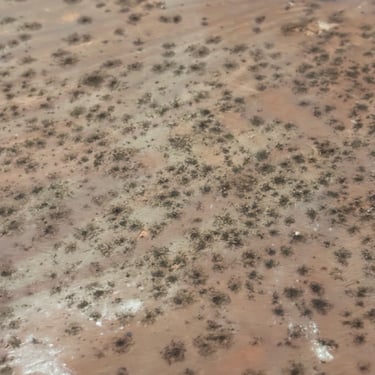
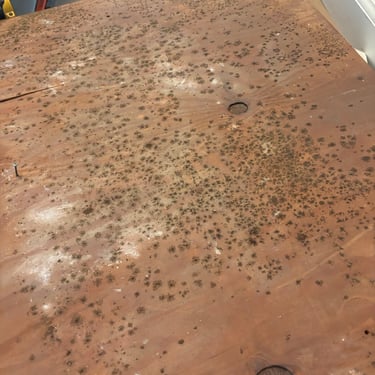
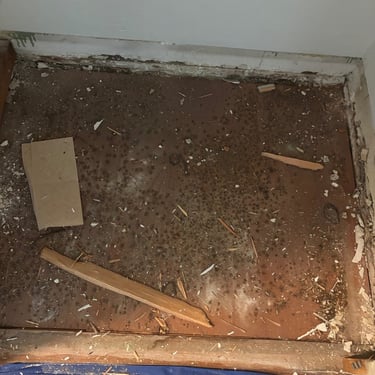
Unlike visible water damage, moisture trapped inside walls or floors can remain undetected for months. Mold does not need standing water — high humidity and damp building materials are enough.
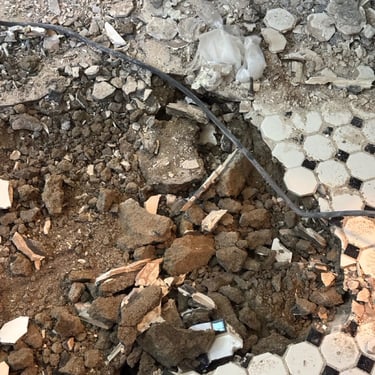
In many cases, homeowners dry visible surfaces while mold continues spreading behind drywall, under tile, or inside insulation.
⸻
How Fast Mold Can Develop After a Leak
Mold growth can begin within 24–48 hours after moisture exposure. In bathroom environments, growth is often accelerated.
Typical timeline:
• First 1–2 days: moisture absorption into drywall, wood, insulation
• 3–7 days: early mold colonies begin forming
• 2–4 weeks: widespread contamination inside walls or floors
• 1–3 months: structural damage and health symptoms become noticeable
Because mold often grows out of sight, many bathroom mold problems are advanced by the time they are discovered.
⸻
Health Risks Associated With Bathroom Mold
Mold exposure is not just a cosmetic issue. Long-term exposure can cause serious health concerns, especially for children, elderly residents, and people with allergies or respiratory conditions.
Common health symptoms include:
• Persistent coughing or throat irritation
• Nasal congestion and sinus pressure
• Headaches and fatigue
• Skin rashes or itching
• Eye irritation and redness
• Worsening asthma symptoms
In severe cases, prolonged exposure may lead to chronic respiratory issues or immune system reactions.
Bathroom mold is particularly dangerous because spores can spread through the home via air circulation, contaminating other rooms.
⸻
Signs You May Have Hidden Mold After a Bathroom Leak
Not all mold is visible. Many homeowners miss early warning signs.
Common indicators include:
• Musty or earthy odors in or near the bathroom
• Peeling paint or bubbling drywall
• Cracked grout or loose tiles
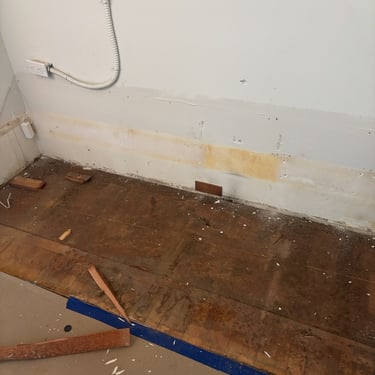
• Soft or spongy flooring
• Discoloration on walls or ceilings
• Recurring moisture despite repairs
If a bathroom leak occurred in the past — even if it was “fixed” — mold may still be present behind surfaces.
⸻
Why DIY Mold Cleanup Is Often Not Enough
Surface cleaning products can remove visible mold, but they do not address the source of contamination.
DIY approaches often fail because:
• Mold roots penetrate drywall, wood, and insulation
• Bleach does not kill mold inside porous materials
• Hidden moisture remains untreated
• Spores become airborne during improper removal
Improper cleanup can actually spread mold further, contaminating clean areas of the home.
True remediation requires controlled removal, moisture elimination, and structural repairs.
⸻
Professional Mold Remediation Process After a Bathroom Leak
Effective mold remediation involves more than cleaning. A professional process typically includes:
Moisture Detection and Damage Assessment
Specialized tools identify hidden moisture behind walls, floors, and fixtures.
Containment and Air Control
Plastic barriers and negative air pressure prevent spores from spreading during removal.
Removal of Contaminated Materials
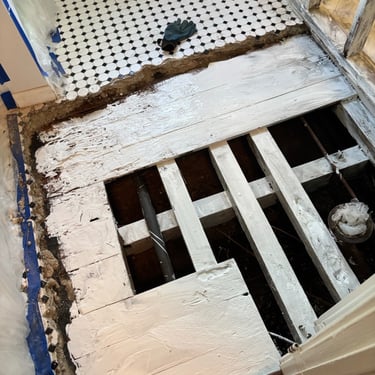
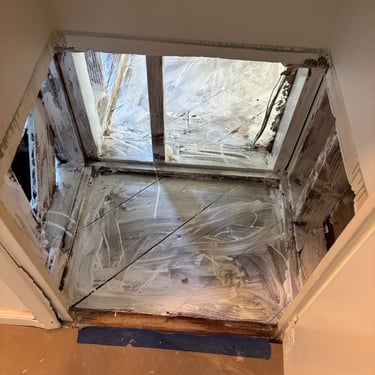
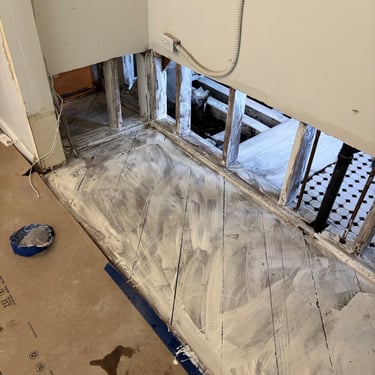
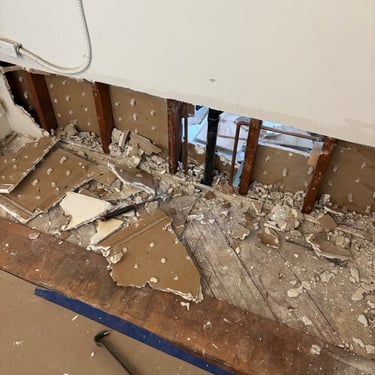
Damaged drywall, insulation, wood, or subflooring is safely removed when necessary.
Antimicrobial Treatment
All affected areas are treated to eliminate remaining mold spores.
Structural Repair and Restoration
Walls, floors, and surfaces are rebuilt and sealed to prevent future moisture intrusion.
This approach ensures long-term protection, not temporary fixes.
⸻
Mold Remediation and Bathroom Repairs Go Hand in Hand
In many cases, mold remediation must be combined with bathroom repair work:
• Plumbing fixes to stop the leak permanently
• Drywall replacement and finishing
• Tile removal and reinstallation
• Vanity and cabinet restoration
• Waterproofing and ventilation improvements
Addressing mold without fixing the underlying issue almost guarantees recurrence.
⸻
Why Mold Problems Are Common in Los Angeles Homes
Many homes in Los Angeles were built decades ago with aging plumbing systems. Combined with slab foundations and limited ventilation, even minor leaks can cause serious hidden damage.
Additional risk factors include:
• Older cast iron or galvanized pipes
• Poor bathroom ventilation
• Previous renovations done without proper waterproofing
• Water damage from upstairs units in multi-family buildings
Early intervention is critical to avoid costly structural repairs.
⸻
When to Call a Professional Mold Remediation Specialist
You should seek professional help if:
• There was a bathroom leak lasting more than 24 hours
• You smell mold but cannot see it
• Health symptoms worsen inside the home
• Walls or floors feel soft or damaged
• Mold returns after cleaning
Delaying remediation often increases repair costs and health risks.
⸻
Conclusion: Don’t Ignore Mold After a Bathroom Leak
Mold growth after a bathroom leak is a serious issue that affects both health and property value. What starts as a small plumbing problem can quickly turn into widespread contamination if not handled correctly.
Professional mold remediation, combined with proper bathroom repair, is the safest and most effective solution.
⸻
Need Help With Mold Remediation or Bathroom Repairs?
If you suspect mold after a bathroom leak or want a professional assessment, don’t wait until the damage spreads.
ProHands Handyman
📞 Phone: 818-401-7766
📧 Email: info@prohandshandyman.com
Call or message us for an inspection and clear next steps to protect your home and your health.